Attic Mold Removal in Santa Susana, CA
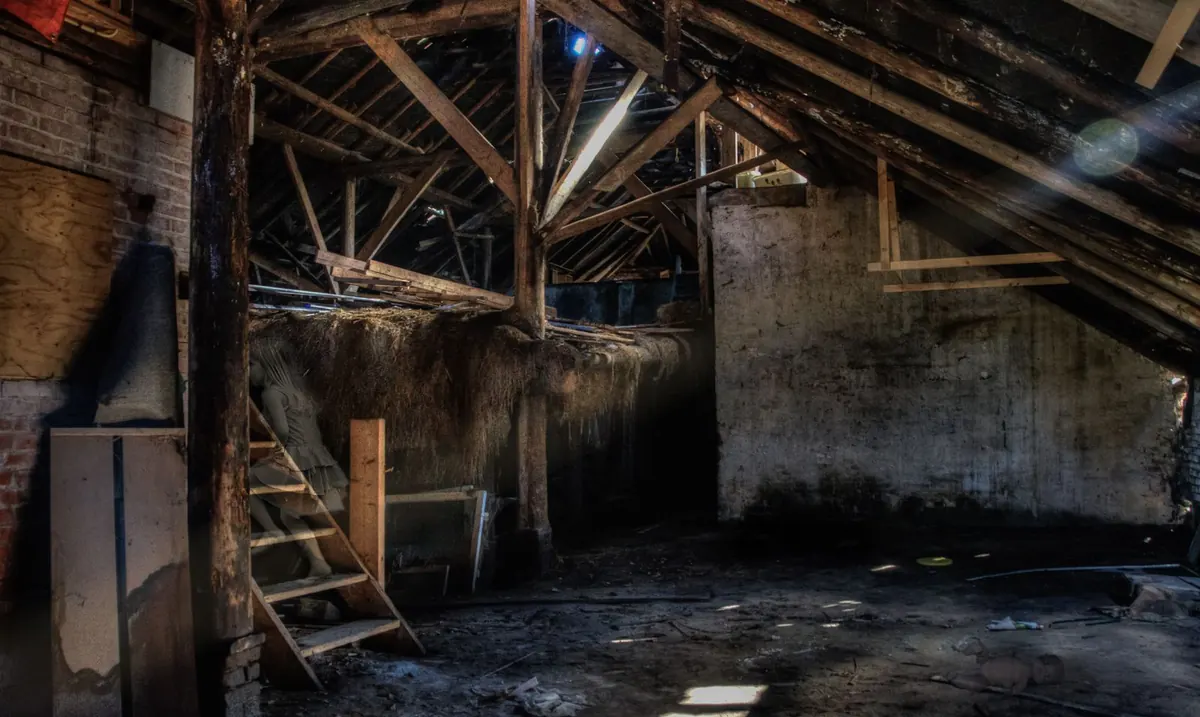
Mold removed from roof sheathing and rafters, with damaged insulation cleared from your Santa Susana attic. Call 24/7 to start your assessment and cleanup.
- Moisture source checked first
- Contained work and HEPA filtration
- Wood and insulation assessed
Explore Attic Mold Removal Services in Santa Susana
You get treatment of rafters, accessible framing and sheathing in the attic, with bagged removal of insulation that is damaged. Finding the source of dampness involves checking roof leaks, bath fan ducting and attic ventilation.
For your sound wood sheathing, cleanup involves a HEPA vacuum followed by cleaning and drying. Damaged materials that cannot be saved leave under containment, while hatch and route protection limits the spread of particles.
Your assessment includes roof vents, soffit vents and the ridge vent. A written scope of work defines cleanup and separate roof or ventilation repairs. Hidden moisture below insulation can affect the removal area.
- Roof deck and rafter cleaning
- Affected attic insulation removal
- Moisture and exhaust duct assessment
- Contained access and debris removal
- Drying and final condition checks
Recognizing the Need for Attic Mold Removal
Have your attic moisture assessed if you notice lingering odor, damp insulation or staining on wood.
A Musty Smell by Your Attic Hatch
Odor drifting toward your rooms can accompany hidden moisture above the ceiling.
Moisture Around Your Bathroom Exhaust Duct
A bathroom fan venting into attic spaces releases moist air where wood and insulation can stay damp.
Stained Attic Roof Decking
Dark patches or visible mold growth on plywood sheathing can extend along rafters and roof joints.
Under a Roof Leak: Wet Insulation
Compressed insulation or water stains by openings in your roof can signal water entry.
Frost or Condensation on Nails
Condensation in attic spaces can leave nails wet and dampen the surrounding wood.
Steps in Attic Mold Removal
Your attic cleanup begins with a call and uses containment before reaching the final verification stage.
Call and Attic Assessment
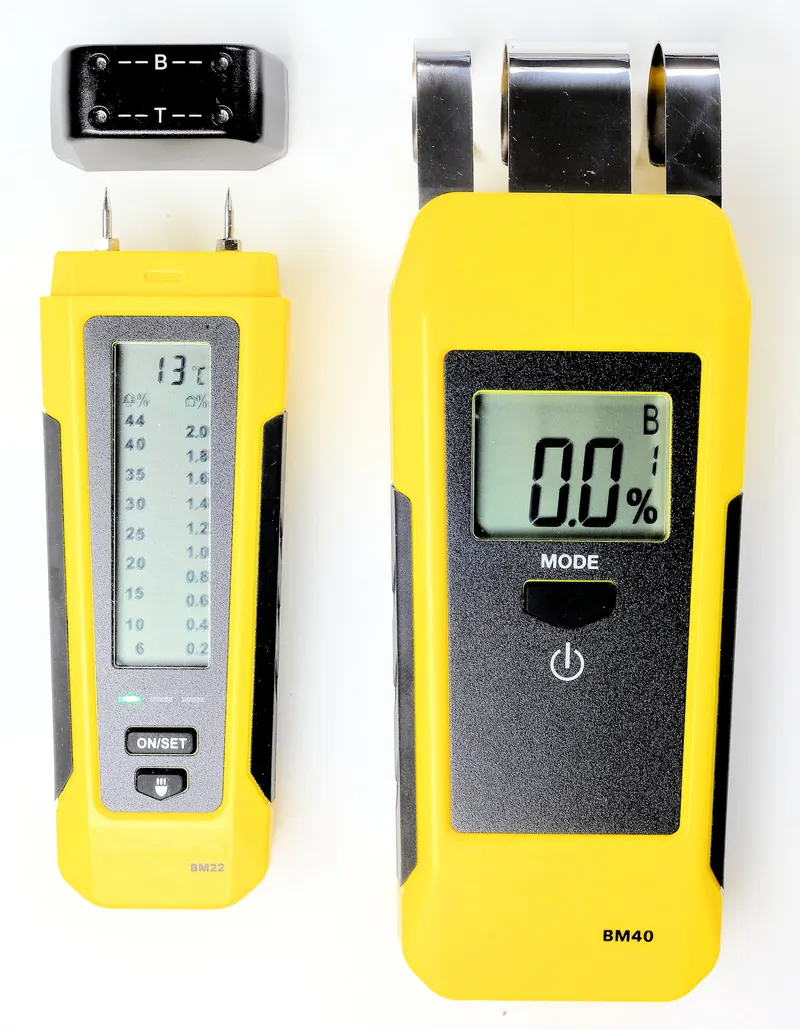
Visible damage and entry to your attic are discussed first when you call. Dampness is mapped using a moisture meter; a thermal imaging camera helps find temperature differences, without identifying mold.
Moisture Source and Scope
Assessment covers ventilation, exhaust ducts and roof leak routes. Your scope establishes leak repair, cleaning and ventilation corrections before new materials are installed.
Attic Containment
Your living space is isolated from attic work using poly sheeting with a containment barrier. To reduce spreading particles, negative air pressure is used with protective equipment and a HEPA air scrubber.
Damaged Insulation Removal
Affected insulation and other unsalvageable porous materials are bagged inside containment. As debris is carried from your home, the exit route remains protected.
Wood Surface Cleaning
Sound rafters and roof sheathing receive HEPA vacuum cleaning and suitable surface treatment. When wood is suitable, soda blasting needs dust control; cleaning remains necessary even with antimicrobial treatment.
Controlled Attic Drying
Drying equipment, such as a dehumidifier and air movers, is selected for the space. Moisture readings document progress during correction of the source responsible for water or condensation.
Post-Remediation Check
Cleaning, drying and agreed post-remediation verification are completed before containment comes down. If clearance testing is specified, an independent assessor performs it before replacement of materials.
Why Consider Oxnard Mold Cleanup for Attic Mold Removal
Attic Moisture First
Your assessment traces roof leaks, condensation and exhaust problems before cleanup begins.
Removal, Drying and Verification
Final checks come before containment removal, following damaged insulation removal and cleaning and drying of sound wood.
Clear Scope and Contained Access
HEPA filtration and containment cover the affected area; you hear the scope explained before work starts.
Calls Answered 24/7
Across the metro, you can start attic cleanup with one number, even on nights and weekends.
Preparing for Attic Mold Removal in Ventura County
Keep the attic undisturbed and call to arrange your assessment.
- Avoid Entering Your Affected Attic Space. Between the joists, your ceiling is no walking surface.
- Keep the hatch closed. People and pets should remain clear of affected materials.
- Leave insulation in place. Avoid brushing the growth or starting tear out.
- Avoid wet electrical equipment. Avoid water that is close to fixtures and wiring.
- Avoid spreading particles. Do not run an attic fan to blow dust out; EPA says not to run suspected contaminated HVAC equipment.
Santa Susana Attic Mold Removal Cost
Your attic price depends on the affected area, access and condition of the wood and insulation. These national ranges separate removal costs from replacement insulation.
Attic mold removal
$1,000 to $4,000 per jobSource: This Old House, Mold Remediation Cost (cost data credited to Angi) (checked 2026-10-23)Replacement insulation when existing insulation comes out
$1 to $7 for each square footSource: PushLeads, Attic Mold Removal Cost (cites BUK Restoration and Angi) (checked 2026-10-23)Santa Susana Attic Mold Cost: What Affects Your Price
- Insulation volume
- Access and headroom
- Separate moisture repairs
- Affected square footage
- Cleaning method
- Roof sheathing condition
Your Price for Attic Cleanup
These published national ranges are planning figures. Your on-site assessment defines the work and price before cleanup starts, including any separate source repairs or rebuilding.
Call (844) 352-3560 about costAttic Mold Removal Service Area Across Greater Oxnard
Call (844) 352-3560 to arrange cleanup in Santa Susana or nearby communities. One number covers the metro.
Attic Mold Removal in Locations Near Santa Susana
Common Questions About Attic Mold Removal in Santa Susana
Is air testing needed before or after attic cleanup?
Air sampling is often not needed for visible mold, according to EPA guidance. Moisture checks and inspection establish your affected area. Containment remains after removal until cleaning and drying have been checked. An independent assessor performs clearance testing when specified. Indoor mold levels are not subject to a federal limit.
Is staying home possible while your attic is cleaned?
You might stay home provided the debris path and attic work area are separate from the rooms you occupy. Where access is restricted depends on shared ventilation, hatch placement and your household needs. Certain jobs mean staying somewhere else while work takes place. Your assessment determines these arrangements in advance of removal and containment.
What does attic cleanup cost in Ventura County?
Affected square footage, access, insulation volume and roof sheathing condition determine your attic mold cost. National price ranges appear with source names in the published cards above. The pricing unit for replacement insulation differs from removal. Before any work starts, your on-site scope establishes the tasks and price.
Must roof decking with mold be replaced?
Sound roof decking and rafters can often be cleaned and dried. Wood that is soft, has deteriorated or has structural damage requires assessment for repairs and possible replacement. Staining by itself does not reveal your wood's condition. Before removal or rebuilding starts, your scope distinguishes roof repair from cleaning.
In Santa Susana, how much time should attic cleanup take?
Your schedule is set after inspection of the affected wood, insulation and access route. Removal involves extra work when areas are large and hatches narrow. Drying follows moisture readings rather than surface appearance. Timing for new insulation and job completion also depends on roof repairs, agreed verification and corrections to ventilation.
Will exhaust problems and leaking roofs also be corrected?
Your assessment identifies moisture problems and defines the corrections needed alongside cleanup. Ceiling air sealing, roof repair and work on exhaust ducts must appear in your scope to be included. Separate repairs are specified ahead of starting, keeping the same moisture source from exposing cleaned wood and new insulation again.
Can mold come back following attic cleaning?
If roof leaks or exhaust problems persist, or humidity stays trapped, mold can reappear. The source is traced during your assessment ahead of cleaning. Cleaning and drying address sound wood; moisture fixes are part of the work or specified separately. New insulation goes in after drying and verification, rather than covering damp surfaces.
Attic Mold Cleanup and Insurance in California
Homeowners insurance coverage depends on the moisture cause, policy exclusions, mold limits and deductible. Roof repairs, cleanup and replacement insulation may receive different coverage decisions.
Your Safety Around Attic Mold in Greater Oxnard
Containment and controlled access limit disturbance and particle spread during attic work.
Sensitive Occupants
For some people, allergy symptoms and asthma symptoms can be triggered by mold, CDC notes.
Attic Access
Ceiling gaps, exposed nails and tight headroom affect safe access.
Mold Color
Color cannot establish mold risk, according to CDC; finding black mold in attic spaces does not measure the danger.
Attic Dust
Beyond the affected area, mold spores can disperse as a result of disturbing insulation.
Cleanup scope: An area under about 10 square feet can often be cleaned by homeowners, says EPA; a small area still poses attic access hazards. Larger affected areas, contaminated water or HVAC systems need professional attention.
Cleaning or Removing Attic Materials in Ventura County
Damaged porous materials may have to go; your sound framing can be cleaned where feasible.
Wood sheathing and rafters
- Your sound wood receives cleaning and drying; an assessment determines repairs for deteriorated roof decking.
Attic insulation
- Affected insulation is bagged and removed; replacement follows drying and verification.
Other surfaces
- Cleaning covers accessible non-porous surfaces; ceiling materials with damage might need to come out.
Attic Cleanup Timelines for Ventura County
Access, the amount of material, drying and post-remediation repairs set your timing.
- Access: Narrow hatches and low headroom add removal work.
- Wood moisture: Moisture readings establish when replacement insulation can go in.
- Completion: When work finishes is affected by roof repairs and verification agreed upon.
Humidity and Attic Odor in Santa Susana
Your musty odor calls for checks of moisture and materials. Its cause remains even if fragrance is added.
Keep indoor relative humidity below 60 percent per EPA advice, with an ideal range of 30 to 50 percent. That recommendation is for indoors, not a target for clearing attic work.
Attic Cleanup Requirements in California
Attic Work Requirements
California has no state license or certification for mold assessors or remediators, according to the California Department of Public Health. General construction work above a small dollar amount does need a license from the Contractors State License Board (CSLB), so it is worth checking a contractor's license there and asking about their mold training.
EPA Guidelines for Drying
To prevent mold growth, dry damaged items and areas within 24 to 48 hours of water damage.
Repair Permits
Whether permits are needed depends on included work affecting the roof, structure or electrical systems.
State Mold Information
The California Department of Public Health (CDPH) Air Quality Section publishes mold and dampness guidance and a mold FAQ. CDPH says visible mold, dampness, and mold odor are unhealthy and should be fixed, and that routine mold testing is not needed when mold is visible.
State guidance: CDPH Frequently Asked Questions about Mold; CDPH Statement on Building Dampness, Mold, and Health; California Health and Safety Code 26147 (leginfo); California Health and Safety Code 17920.3 (leginfo)
Related Services and Next Steps
Start Your Attic Mold Removal in Santa Susana
Call 24/7 to arrange your assessment. Your cleanup starts with the affected surfaces, moisture source and access to your home.